
One of the main Buddhist teachings is that of impermanence. The loss and change are the only constants in our lives. Nothing is fixed and nothing stays the same for long. We all experience it in our lives but often try very hard to make things stay the same if we like them. We value youth so we do everything in our power to look young for as long as possible. We value thinness and fitness, so we strive to keep it at all costs. We value money so we overwork to at least keep our financial status high. But whatever you value, whatever you cherish, it will not last forever.
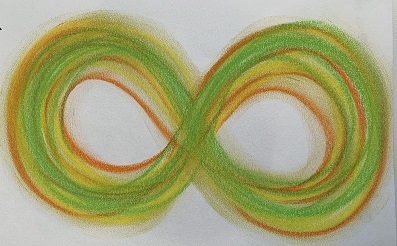
I have attended a meditation class on Saturday, which has reminded me why the impermanence concept may not be as gloomy as it seems. While everything is always in a state of constant fluctuation and you cannot count on anything staying the same for long, it can be also remarkably liberating. It also means that we, our true selves, are also not fixed. We are not lazy or unmotivated when we might momentarily not be taking a required action. We are not bad people because sometimes we get angry or jealous. If we see ourselves as not just our body to constantly improve upon, we have endless opportunities for growth and learning.
Inspiration comes from many sources to me which sometimes means I combine these influences in a way that may not always feel related. If nothing stays the same and everything changes, including our own thoughts, emotions, physical sensations as can be best experienced in meditation, then there is really no fixed self. We keep re-inventing ourselves every moment of our lives! It brings me in some way to the philosophy of absurdism. Its major premise is that there is no inherent meaning or purpose to life. It therefore offers freedom for us to choose that meaning and purpose in our own lives based on our own values.
Why then not choose values and meaning that support our happiness? It may take a bit of time to evaluate and update our deeply held beliefs, but after we do this internal work, we can re-discover our values and live according to what is important to us. Sometimes it may mean that we must discard current cultural values or societal norms. Sometimes it means we contribute to make our cultural traditions flourish. But instead of taking the education and learnings from our environment for granted, it will be our choice, our decision.
One more helpful concept is that of a fixed or a growth mindset. This goes hand in hand with both philosophies mentioned above of course. If we believe we are free to choose our own meaning and purpose and if we believe we can change, learn, and grow, our lives are much more likely to bring us satisfaction. We can be more accepting and kinder to ourselves, when we make mistakes (which are unavoidable). We can truly enjoy happy moments while they last but also cultivate patience and resilience during the challenging times – because we know they will also come to pass.
For me, a mindfulness practice and meditation have been the most helpful tools to untangle myself from a fixed mindset. As I observe the pleasant and unpleasant body sensations, sounds, emotions, or thoughts, I can clearly see their impermanent nature. They come and go. Nothing stays the same for long. If we don’t notice this reality, it is very easy to believe that we are always the same. We are addicted to sugar! We are lazy! We are unworthy! All these are just the ideas of a fixed reality which is simply not true.
At first, sitting down to meditate or having a mindful walk may be a shocking experience. If we have not tried paying attention to ourselves before, we may get overwhelmed by the number of things happening all at once. It takes time to calm our bodies and minds enough to start noticing the constant arising and passing of each sensation, thought or emotion. Once we can distinguish separate thoughts, we have then the choice of allowing them pass without feeling the need to follow.
Some thoughts will be sticky – typically critical or judgmental ones are not easy to let go! But once we learn this method of paying light attention to whatever is happening, we also learn to let these difficult ones simply pass. We start to notice, how the critical or unkind thoughts are simply habitual patterns in our minds. We start realizing that they are not really “our” thoughts. Most often they came from other people, from the society, from our culture. Eventually, as we notice and let go of them quicker, we have less of them with time and we can experience true freedom to choose our own purpose and meaning.
Let’s take time to fully experience impermanence in our lives – as both pleasant and unpleasant events come and go. Sometimes we will have to grieve the loss of what we valued but then we will have the freedom to find a new meaning. If we keep on looking for what’s truly important, we are perhaps more likely to find that kindness, acceptance, and compassion are much more worthy of cultivating than status, money, or external validation. Although nothing lasts forever, we do have the freedom to choose which thoughts, emotions, and behaviors we want to be part of our lives more often.
 AGGA Coaching
Leave a comment